Is Vision Therapy Covered by Insurance? Understanding Policy Variations in South Africa

Vision therapy is often described as physical therapy for the brain and eyes. While standard eye exams check how well you can see a chart from 20 feet away, vision therapy addresses how the eyes work together, track movement, and process visual information. In South Africa, as awareness of developmental vision issues grows among parents and educators, a critical question emerges: Is vision therapy covered by insurance?
Navigating the South African medical aid landscape can feel like wandering through a labyrinth without a map. Unlike a standard pair of spectacles, vision therapy is a specialized, long-term intervention. Because it often straddles the line between medical necessity and educational support, insurance coverage varies wildly from one provider to another. This article dives deep into the nuances of policy variations across South Africa to help you understand what to expect when seeking treatment.





The Nature of Vision Therapy in South Africa
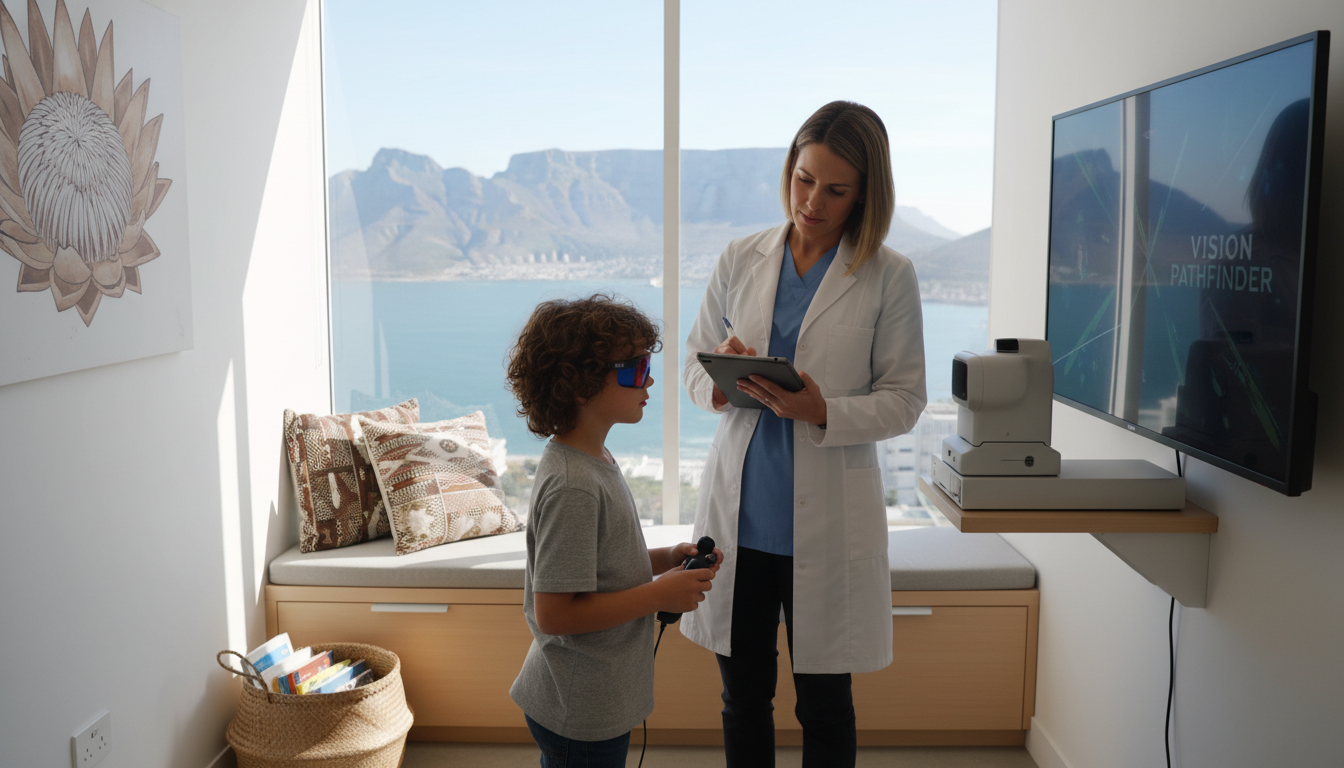
In South Africa, vision therapy is primarily provided by behavioral or developmental optometrists. It is a non-surgical program of activities designed to correct visual-motor and/or perceptual-cognitive deficiencies. Common conditions treated include amblyopia (lazy eye), strabismus (crossed eyes), and convergence insufficiency.
Despite its clinical efficacy, many South African medical schemes still view vision therapy with a degree of skepticism. This is partly because the benefits are not always immediate, and the treatment doesn’t fit neatly into the ‘Optical’ benefit category that usually covers frames and lenses.
The Role of Prescribed Minimum Benefits (PMBs)
In the South African insurance context, the Council for Medical Schemes (CMS) mandates that all medical schemes must cover the costs related to the diagnosis, treatment, and care of a specific set of conditions known as Prescribed Minimum Benefits (PMBs). Unfortunately, most vision-related issues that require therapy do not fall under the PMB umbrella.
This means that coverage for vision therapy is usually determined by the specific rules of your chosen medical aid plan. If you are on a basic ‘hospital plan,’ the likelihood of coverage is near zero. However, for those on comprehensive plans with ‘savings accounts’ or ‘day-to-day benefits,’ there is more room for maneuver.
Major Medical Schemes and Their Approaches
#
Discovery Health
As the largest medical scheme in South Africa, Discovery Health sets the tone for many others. Generally, Discovery does not have a dedicated ‘Vision Therapy’ benefit. Instead, claims for vision therapy are typically paid from the member’s Medical Savings Account (MSA). Once the savings are exhausted, the member must pay out-of-pocket unless they have reached their ‘Above Threshold Benefit’ (ATB), though many therapy codes are excluded from accumulating toward the ATB.
#
Bonitas and Momentum
Similar to Discovery, Bonitas and Momentum usually classify vision therapy as a day-to-day expense. If your plan has a dedicated ‘Specialized Technologies’ or ‘Paramedical’ benefit, you might find some leverage there, but it often requires a detailed motivation from the optometrist. It is not uncommon for these schemes to reject initial claims, citing the treatment as ‘educational’ rather than ‘medical.’
The ‘Medical Necessity’ vs. ‘Educational’ Debate
One of the biggest hurdles in South Africa is the classification of the therapy. Many insurers argue that vision therapy for learning-related vision problems is an educational intervention. Under South African law, medical aids are not required to cover educational support.
To counter this, practitioners must provide detailed clinical reports using specific ICD-10 codes. In South Africa, the ICD-10 code system is the language of insurance. If a claim is submitted with a code for ‘learning disability,’ it will almost certainly be rejected. However, if the code reflects a physiological diagnosis like ‘Convergence Insufficiency’ (H51.11) or ‘Accommodative Dysfunction’ (H52.5), the chances of reimbursement improve significantly.
Strategies for Securing Coverage
If you are a South African policyholder looking to secure funding for vision therapy, consider the following steps:
1. Pre-Authorization is Key: Never start a 20-week program without sending a formal quote and clinical motivation to your medical aid. Ask for a written response on whether the specific codes will be covered.
2. The Clinical Motivation: Your optometrist should write a motivation that emphasizes the physiological symptoms (e.g., headaches, double vision, eye strain) rather than just academic struggles.
3. Check Your Gap Cover: Some high-end Gap Cover policies in South Africa may assist with costs if the therapy is related to a surgical procedure (like post-strabismus surgery rehab), though this is rare.
4. Utilize the Savings Account: If you have a plan with a large MSA, plan your therapy for the beginning of the year when your savings are full.
Out-of-Pocket Reality
For many South Africans, the reality is that vision therapy remains a largely out-of-pocket expense. A typical session can cost anywhere from R600 to R1,200, and a full course may last several months. While this is a significant investment, the long-term costs of untreated vision issues—including the cost of remedial schooling or lost career productivity—often far outweigh the price of the therapy.
Conclusion
Is vision therapy covered by insurance in South Africa? The answer is a qualified ‘sometimes.’ It depends heavily on your specific scheme, the tier of your plan, and how your optometrist codes the treatment. While the industry still has a long way to go in recognizing the medical necessity of visual rehabilitation, proactive communication with your insurer and thorough documentation can sometimes bridge the gap between a rejected claim and a successful one. As the field of developmental optometry continues to gain traction in the Republic, we can only hope that medical schemes will evolve their policies to reflect the vital importance of functional vision.