Understanding My Insurance Portal: How Policyholders Manage Coverage in Saudi Arabia

The digital landscape of the Kingdom of Saudi Arabia has undergone a seismic shift over the last decade. Driven by the ambitious goals of Vision 2030, the nation has moved from traditional paper-based systems to a seamless, integrated digital ecosystem. One of the most significant beneficiaries of this transformation is the insurance sector. For policyholders, the days of carrying physical insurance cards and navigating labyrinthine bureaucratic hurdles are largely over. Today, the ‘My Insurance’ portal—represented by various unified government platforms and private InsurTech solutions—serves as the central hub for managing coverage with unprecedented ease.
The Rise of Unified Insurance Platforms





In Saudi Arabia, the concept of a ‘My Insurance’ portal isn’t just about a single website; it represents a coordinated effort between the Council of Cooperative Health Insurance (CCHI), the Saudi Central Bank (SAMA), and private insurers. For most residents and citizens, managing health and vehicle insurance starts with the unified digital identity provided by Absher and Nafath. These systems ensure that your insurance data is tied directly to your National ID or Iqama, creating a ‘single source of truth’ for all your coverage needs.
Whether you are an expatriate looking to renew your residency or a Saudi national checking your family’s health benefits, these portals provide a transparent view of what is active, what has expired, and what needs immediate attention. The formal nature of these platforms ensures security, while the user interfaces are increasingly designed for a relaxed, intuitive user experience.
Key Features of Modern Insurance Portals
What exactly can a policyholder do when they log into their portal? The functionality has expanded far beyond simply viewing a policy number.
1. Real-Time Policy Verification: You can instantly check if your insurance is linked to the national databases. This is crucial for renewing vehicle registrations (Istimara) or renewing residency permits.
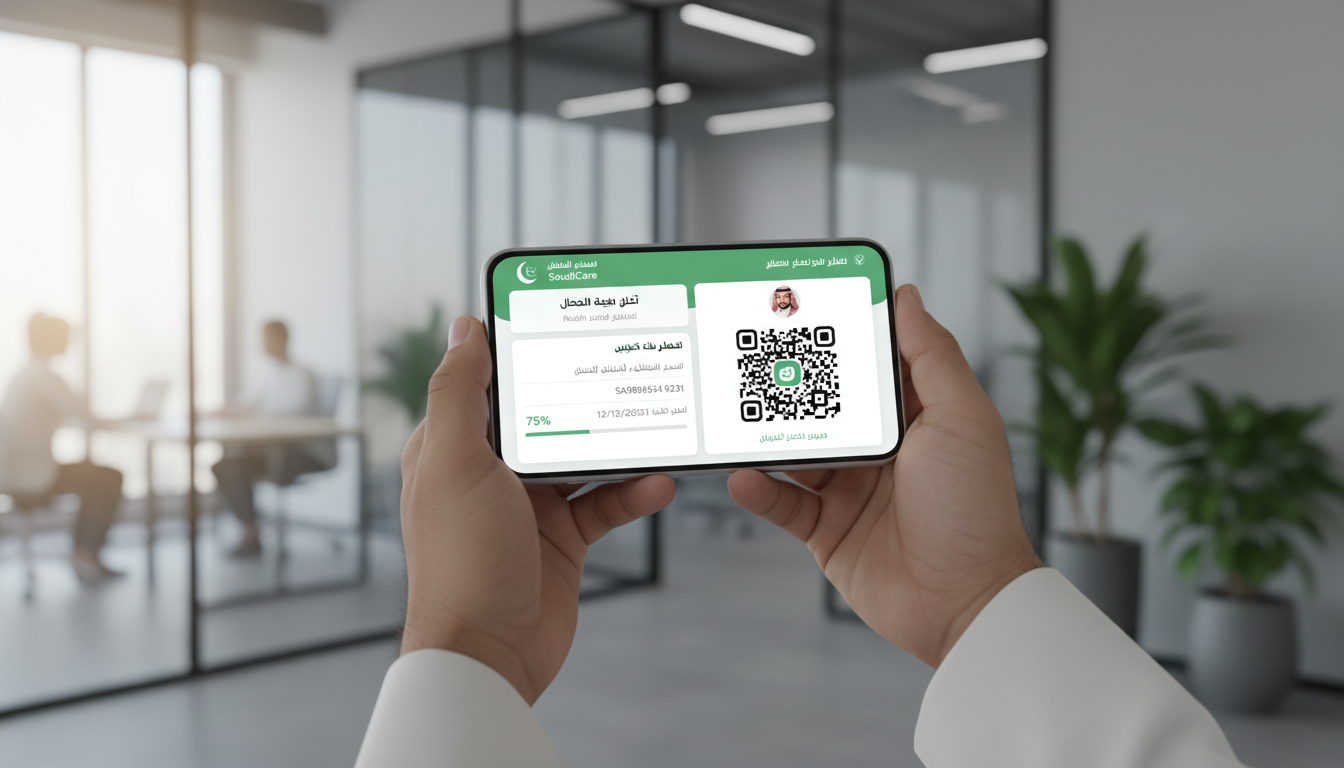
2. Digital Health Cards: Physical cards are becoming obsolete. Portals allow users to download digital versions of their insurance cards, which are accepted by hospitals and clinics across the Kingdom.
3. Provider Network Search: One of the most useful features is the ability to filter healthcare providers based on your specific plan. Users can find the nearest ‘Class A’ or ‘Class B’ hospital with a few taps on their smartphone.
4. Claims Tracking: Transparency is the hallmark of modern insurance. If you have paid out-of-pocket for a service, you can upload receipts and monitor the reimbursement status in real-time.
The Integration with National Systems
What sets the Saudi insurance experience apart is the deep integration with national infrastructure. When you purchase a motor insurance policy in the Kingdom, the data is transmitted almost instantaneously to the Najm and Muroor (Traffic Police) systems. This means that if you are stopped for a check or need to renew your car’s license, the system already knows you are covered.
For health insurance, the CCHI’s unified portal acts as a regulator and a service provider. Policyholders can log in to see their ‘Insurance History,’ which lists every policy they have held. This level of data portability is rare globally and provides a sense of security to the consumer. You are never in the dark about who is covering your medical costs or for how long.
Managing Benefits and Limits
One of the most common points of confusion for policyholders is understanding their sub-limits—how much is allocated for dental, optical, or maternity care? Modern portals break down these complex legal documents into easy-to-read charts. Instead of reading a 50-page policy handbook, a user can simply check a ‘Benefits’ tab to see their remaining balance for the year. This shift toward clarity helps individuals make better decisions about their health and finances without feeling overwhelmed by jargon.
The Role of InsurTech and Private Portals
While government portals provide the backbone, private insurance companies like Bupa Arabia, Tawuniya, and Medgulf have developed their own sophisticated apps. these ‘private’ portals often offer additional lifestyle perks. Some might include tele-medicine features, allowing you to consult a doctor via video call directly through the portal. Others might offer rewards programs for maintaining a healthy lifestyle, such as discounts on gym memberships or health food stores.
Troubleshooting and Support
Despite the efficiency, questions do arise. Modern portals in KSA have integrated AI-driven chatbots and direct WhatsApp support to handle queries. If a claim is rejected or a provider refuses to accept a digital card, the portal usually provides a direct ‘Complain’ button that escalates the issue to the CCHI or SAMA. This ensures that the power remains in the hands of the policyholder.
Conclusion: A Future-Forward Approach
Managing insurance in Saudi Arabia has evolved from a chore into a streamlined digital experience. By centralizing data and prioritizing the user experience, the Kingdom has created a model for how insurance should work in the 21st century. For the policyholder, the ‘My Insurance’ portal is more than just a website; it is a tool of empowerment, providing clarity, security, and peace of mind in an increasingly fast-paced world. As AI and machine learning continue to integrate into these platforms, we can expect even more personalized services, predictive health alerts, and further automation that will keep the Saudi insurance market at the forefront of global innovation.